THE FOLLOWING IS AN AMERICAN RED CROSS RELEASE
When help can’t wait, your generosity powers rapid Red Cross response
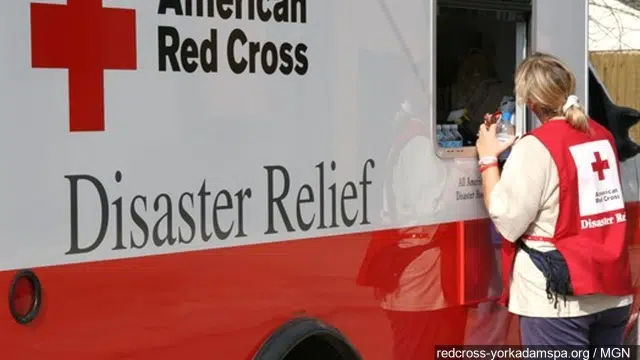
March 24, 2026 — This spring, families across the country and here in the Illinois Region may suddenly find themselves needing a safe place to sleep, a warm meal and help replacing essentials lost in minutes. Severe and volatile weather is common this time of year, with heightened flood risks from coast to coast and wildfire threats in drought-stricken communities from the Southwest to the Southeast. You can help ensure families don’t face disasters alone on Red Cross Giving Day, March 25, by supporting Disaster Relief at redcross.org/givingday.
Thanks to the generosity of our donors, Red Cross volunteers are ready to respond when help can’t wait.
In January, severe winter storms forced families across multiple states to turn to the Red Cross for support, and that month alone, the organization provided more meals and snacks than during the previous January’s record-breaking wildfires in Los Angeles. In February, more than 100 shelters were opened across the country for families displaced by winter storms stretching from California to the Northeast, alongside extensive flooding on the West Coast and wildfires across the Plains.
Here in the Illinois Region, over the past year, we experienced disasters including the Kankakee Tornado Response that impacted hundreds of people. Additionally, local volunteers have provided comfort and hope to more than 2,275 people after 475 home fires across the Illinois Region since January 1.How Giving Day Donations Help
By donating now, before an emergency strikes, your donation helps ensure the Red Cross can:
- Stock warehouses with urgently needed relief supplies
- Train volunteers in advance so they can respond immediately
- Maintain ready vehicles, logistics systems and equipment
- Set up shelters quickly in pre‑identified, safe locations
- Make sure families aren’t facing their first difficult hours alone
This year’s severe weather has caused thousands of blood donations to go uncollected. Donors in unaffected areas make it possible for the Red Cross to continue meeting patient needs.