Vermilion County farmers have had few interruptions over the last several weeks, in what can easily be called a “full speed ahead harvest.” But safe to say there has been plenty to think about in the meantime. Perhaps the number one issue has been “where will the soybeans go.” The last thing you want is to have everything in a hold pattern, whether your soybeans usually end up as domestic or exported. And the United States’ new soybean deal announced with China on Thursday was a big relief. The Vermilion County Farm Bureau’s Tom Fricke says there was not necessarily panic out there, but more so nervous anticipation. And he says when the 12 million metric ton purchase for 2025 was announced, with 25 million planned for next year, it meant that something called tariffs had worked.
AUDIO: There was always some hope that whoever was previously buying Argentina/Brazil soybeans might start buying U.S. There was a knowledge that there were only so many soybeans in the world to go around to everybody that needed them, so there was hope that things would work itself out in the end. And, the tariffs did there job; in bringing China to the table and negotiating a new deal.
On the negative side, however, would be the reaction of many farmers concerning the Omnibus Energy Bill that worked its way through the General Assembly during the Veto Session. Fricke says, a lot of agricultural concerns look to have been set aside.
AUDIO: There was no requirement to have an agricultural impact mitigation agreement as part of any of these projects. There was concern on fire suppression, in these battery storage buildings. If there is a fire, because a lot of these are located out in farm fields; and as we saw this year, it doesn’t take much of a spark or much heat to get a field fire started in very dry conditions.
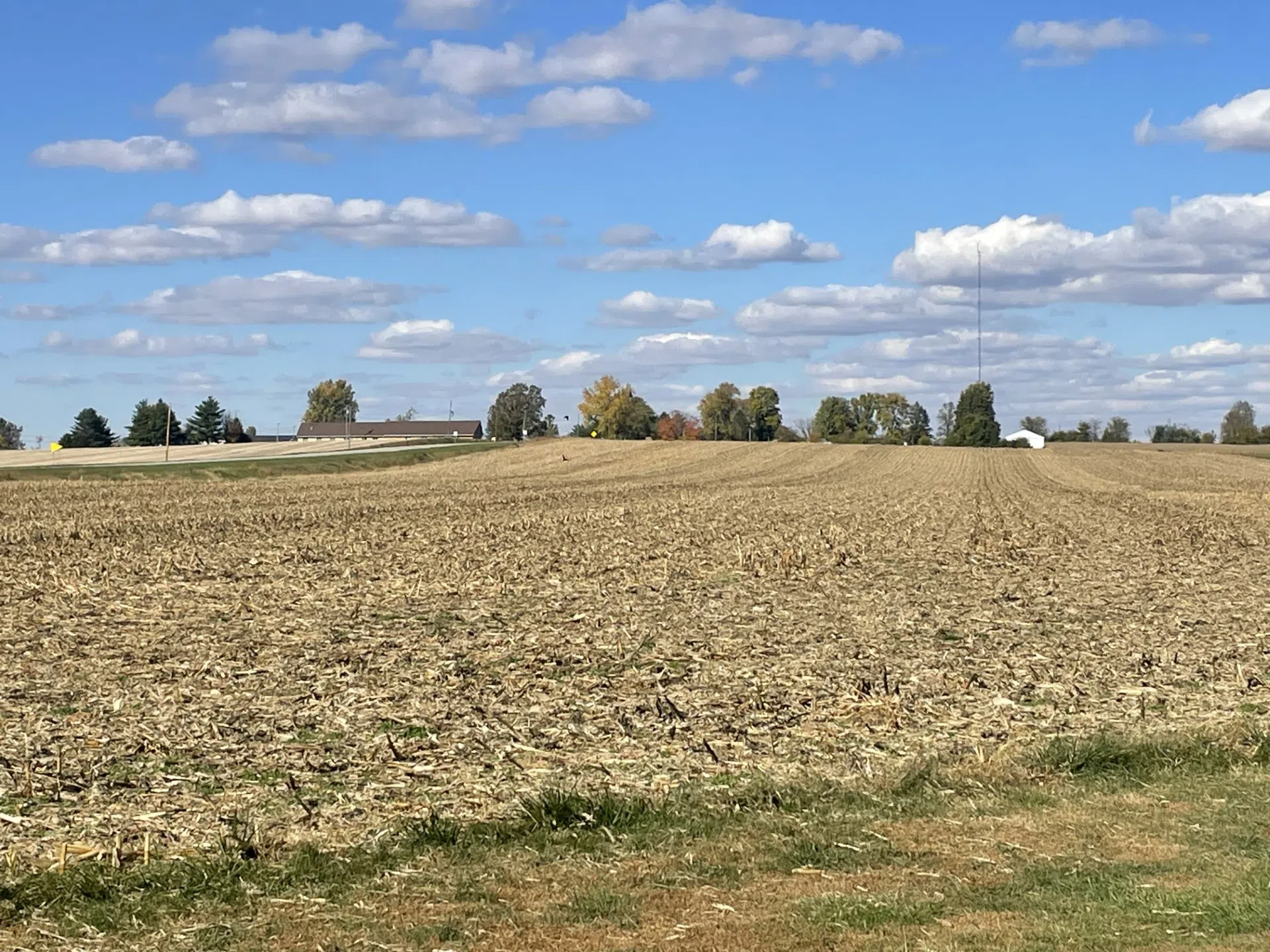
As for the harvest itself, Fricke says this is definitely not going to be one of those years where farmers are running the combines full tilt right up to Thanksgiving.
AUDIO: Everybody’s always relieved, or a sense of accomplishment, a sense of bringing in a good crop; which we seem to have done this year. It wasn’t a record crop, but it was a very adequate crop. I would guess, depending on the part of the county you’re in, you’re probably looking at 80 to 90 percent complete here in Vermilion County.
Although this is generally being viewed as a good to very good harvest, the federal government shutdown has been preventing harvest updates from the USDA; keeping farmers from getting specific information about crop progress, export sales, and supply and demand estimates.