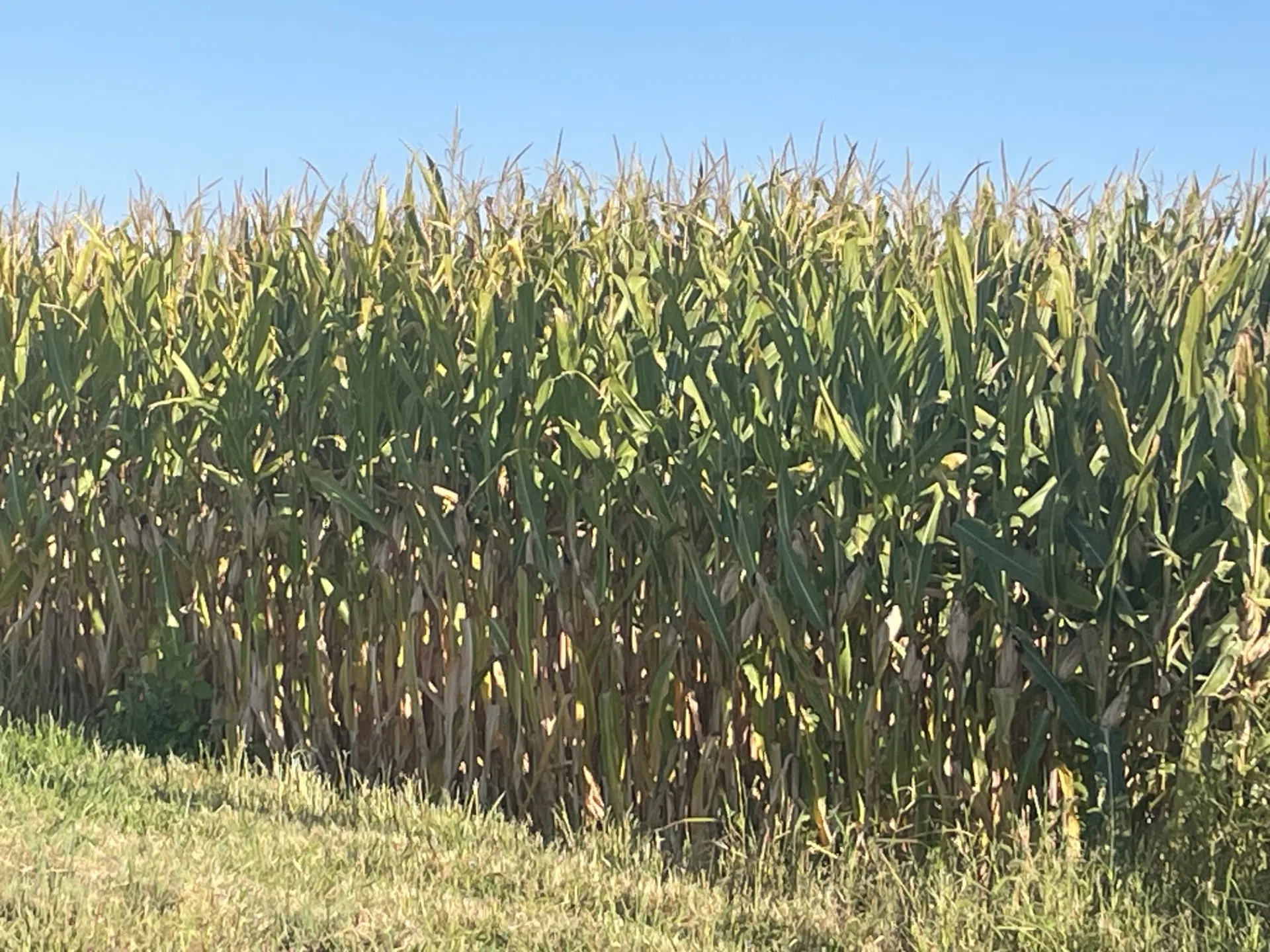
Although an amazing amount of rain fell on the maturing corn and soybeans earlier this month, CIMG Ag Director Gale Cunningham says it could certainly feel more and more like a bit too much as harvest season gets underway in September. Cunningham says farmers may not know exactly where trouble spots are until they find them; and that goes for too wet or too dry.
AUDIO: A lot of the water damage is unseen until they get a top view, or they go get in the field. But there are certain areas; it’s kind of section by section, Steve. Some areas have gotten too much rain; and others, maybe two miles away, don’t have enough.
The harvest rotation often used in Illinois is start with the corn, go to the soybeans when they’re ready, and then finish the corn afterwards. But Cunningham says with the way the farm economy is right now, the last thing farmers want to do is spend more money than they have to drying out corn with propane gas. So most likely, many of them will let it dry in the fields on it’s own for as long as possible this year, perhaps harvesting early planted soybeans in the meantime. But they need to keep their eyes on the health of the corn plants, as well as the moisture of the kernels.
AUDIO: They’re not going to allow very much drying cost to be on that corn. So they’re going to let Mother Nature dry that as best as they can; as long as the plant is healthy. And there’s some health problems out there because of too much rain; or not enough rain.
Cunningham says mid-to-late September is likely when you’ll see substantial combines, now to mention the farm vehicles on the roads requiring the usual patience needed from everyone. Barring any surprises, yes, Vermilion County farmers can hopefully aim for completion by Thanksgiving, which is November 26th.
As usual, the latest projected harvest numbers showed Illinois quite above the national average when it comes to projected bushels per acres of harvested corn and soybeans. Cunningham says the five feet of black soil you usually see across the mid-belt of Illinois and the mid-west is a definite blessing, including when things so wrong.
AUDIO: It’s fairly forgiving as well. You know, we can make some mistakes, and still get a real good crop. Although, I think that because of the thing that we first mentioned; about some damage out in the field that we’re maybe not seeing right now; and then in some cases, the lack of moisture……..I think we could see a vary big variation in yield because of all that.
Illinois is known for being number one in the country when it comes to soybeans; and number two in corn, behind Iowa.